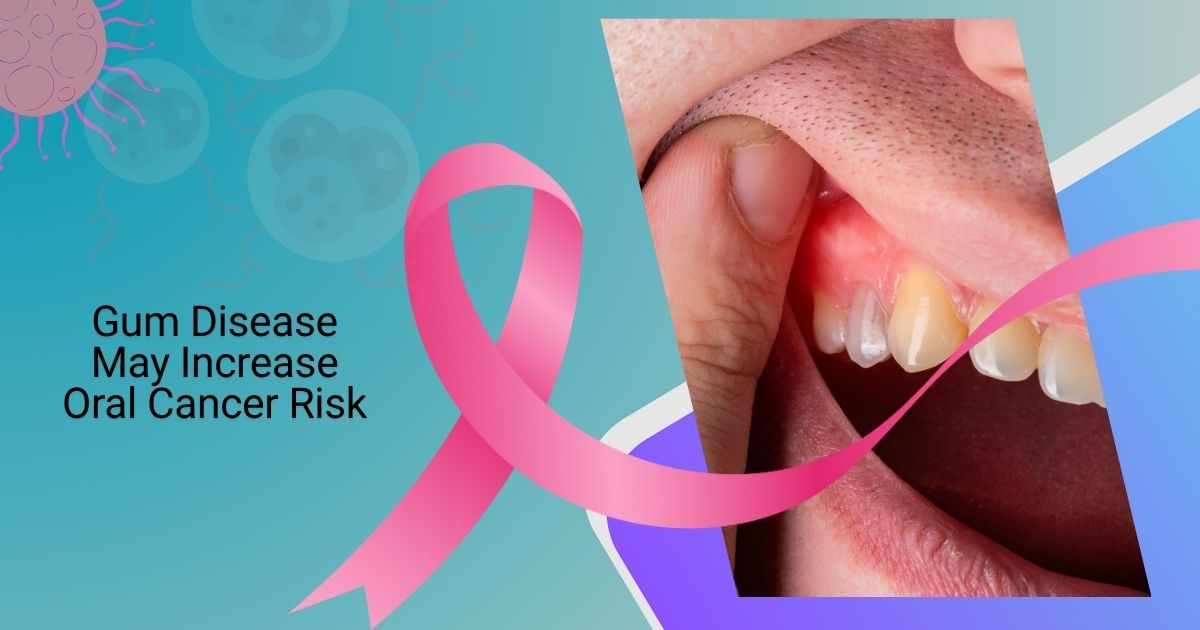
Fresh breath and cavities are just two aspects of oral health. But there are many other aspects of oral health we often overlook. Many research points to the fact that there is a strong correlation between oral cancer and gum disease (periodontitis). It may be noted that gum diseases impact thousands of people every year. The presence of gum disease provides an increased risk of getting oral cancer. One of the most important steps in early identification and prevention may be realizing the link between the two.
Understanding Gum Disease
Gum disease starts as gingivitis, a condition characterized by moderate gum inflammation. If gingivitis is left untreated, it can develop into periodontitis. This advanced version of gum disease results in:
- Gum recession
- Bacterial infection in gum pockets
- Chronic inflammation
- Tooth loss
But the impact it causes does not stop at your mouth. It may lead to oral cancer in some cases.
What Is Oral Cancer?
Malignancies or cancer growth present in the lips, tongue, cheeks, floor of the mouth, and throat are all considered oral cancer. Many times early signs like mouth sores, lumps, or pain are frequently disregarded or confused with other problems. That is why oral cancer is always detected at a later stage unfortunately. But if you have a habit of regular dental visits, you can be rest assured to get an early warning from the dentist.
The Biological Link Between the Two
Untreated gum disease can lead to chronic inflammation, which may contribute to the development of oral cancer sometimes in cancer prone individuals, particularly where they have a genetic predisposition. Persistent bacterial infections and inflammatory indicators can foster an environment that is favorable for the development of malignant cells. Chronic irritation in the oral region is a marker for Oral cancer. When this chronic irritation is caused by uncleaned subgigival calculus the probability of oral cancer rises further up.
In other words, chronic gum inflammation may gradually increase your risk of developing cancer without you realizing it.
Shared Risk Factors to Be Aware
Both gum disease and oral cancer share certain lifestyle and health risks. The shared risks are as follows:
- Tobacco use (smoking and chewing)
- Excessive alcohol consumption
- Poor oral hygiene habits
- HPV infection
- Poor nutrition and vitamin deficiencies
This overlap in risk factors leads to the conditions appearing together more often.
Signs You Should not Ignore
You should visit a dentist to have the following symptoms evaluated. This becomes more important in case you have gum disease along the following symptoms:
- Persistent mouth sores
- Bleeding gums with no clear cause
- Pain or difficulty swallowing
- Loose teeth or jaw pain
Never dismiss these signs as something that are routine dental issues.
Preventive Steps That Matter
The good news is prevention possible and it is within reach:
- Maintain consistent oral hygiene
- Schedule regular dental checkups
- Avoid tobacco and limit alcohol
- Eat a balanced diet rich in vitamins C and D
- Seek timely care for any oral discomfort
Gum bleeding may sometimes be a sign of more serious problems. But it needs to be understood that it is not the only sign of gum disease. The discovery of its potential link to oral cancer allows us to manage the malignancy better and take appropriate treatment. If you continue to have gum disease never postpone or ignore getting tested.