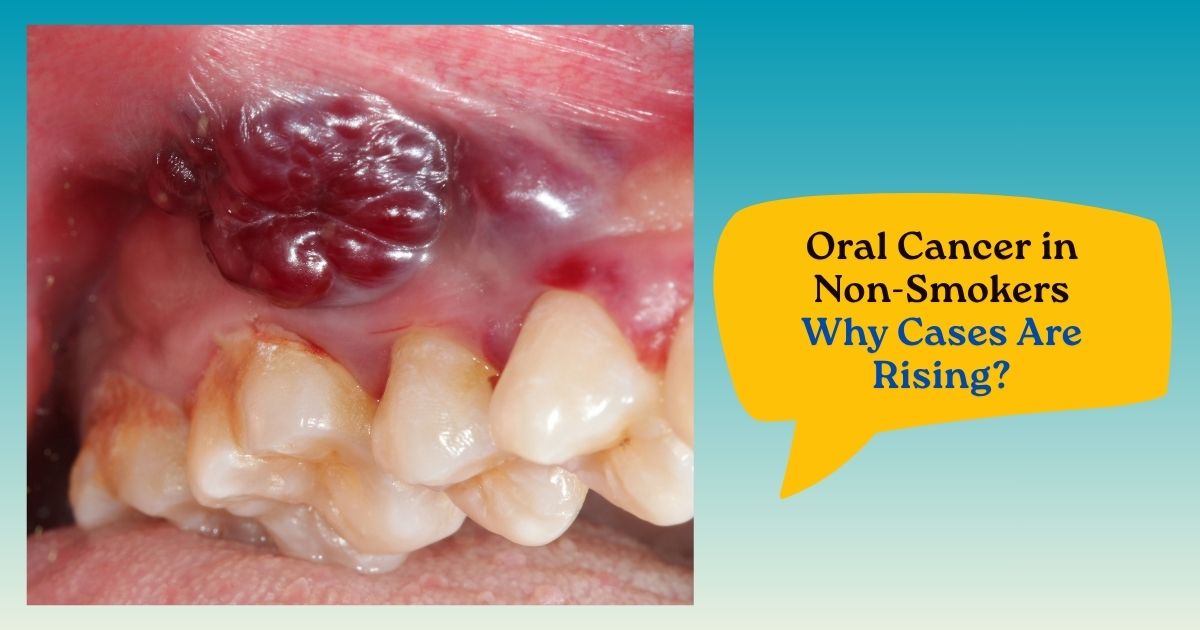
In the past, heavy alcohol consumption and tobacco use were the only two known factors that were linked to oral cancer. However, a shocking trend has surfaced in recent years. Non-smokers are being diagnosed at larger rates and that too at younger ages. Dental clinics in Chennai and across the world estimate a 25–30% increase in incidence of oral cancer among patients who have never smoked or chewed tobacco. Every adult who values their health must pay attention to this change.
HPV: The Hidden Viral Trigger
Human Papillomavirus (HPV) (particularly a strain called HPV-16), is now the leading cause of oropharyngeal cancers in non-smokers. The oropharyngeal region of the human body includes the back of the throat, tongue base and tonsils. This virus is usually transmitted through oral sexual contact. This virus has the potential to lie dormant for decades before triggering abnormal cell growth.
Smoking-related cancers usually appear on the lips or front of the mouth. But HPV-driven tumors hide deeper and this makes them harder to detect early. Studies show 70% of oropharyngeal cancers in non-smokers are HPV-positive. The highest risk category is men aged 35-55.
Lifestyle and Environmental Factors Fueling the Rise
- Chronic irritation: Over time, microtrauma from sharp teeth, ill-fitting dentures or persistent cheek biting may develop into precancerous lesions.
- Betel nut with pan masala: According to the WHO, areca nut is also a carcinogen. Even in the absence of tobacco, regular use of areca along with betel nut and pan can cause oral cancer.
- Bad dental hygiene: When we do not brush, floss or rinse our teeth properly or regularly, the oral microbiome becomes overloaded with harmful bacteria. This causes persistent gum disease and it is also known to weaken the mucosal immunity.
- Low antioxidant diet: Vitamin A, C, and E deficiencies weaken the mouth’s natural defenses against oral cancer.
- Other factors like not visiting the dentist regularly, diets heavily skewed towards processed food, urban-living stress, all subtly increase the chances of oral cancer.
Genetic and Immune System Vulnerabilities
Cancer need not always occur as a result of HPV exposure. Some studies indicate that DNA repair systems are compromised by genetic variations. People with weakened immune systems, such as those with diabetes, autoimmune diseases or chronic steroid usage, are at a higher risk of oral cancer. A study revealed that 18% of patients with oral cancer who did not smoke had undetected prediabetes. This underscores the fact that there is a metabolic connection to oral cancer risk.
The Role of Delayed Diagnosis
A mouth ulcer should go away within two weeks. When it does not, non-smokers never think of oral cancer. Stage III or IV of oral cancer is the typical time they seek assistance. Dentists now insist that, regardless of lifestyle, any persistent white/red patch, lump or hoarseness should be taken seriously and they need to get an urgent biopsy done.
Prevention Strategies That Work
The most effective weapon is early discovery. That is why a dental appointment once every six months is recommended because it includes an oral cancer screening. If your dentist notices anything unusual, they will immediately request a brush biopsy. If you also see anything unusual in your oral area, visit your dentist immediately. Limiting alcohol consumption or totally abstaining from alcohol, repairing damaged dentures, and practicing strict oral hygiene are some of the ways to prevent oral cancer.
When to Seek Oral Cancer Treatment in Chennai
If unfortunately a diagnosis is made, multidisciplinary care is needed as part of oral cancer treatment. Top facilities in Chennai integrate focused radiation, precise surgery and tumor-specific immunotherapy. When detected early, higher survival rates for HPV-positive malignancies are recorded. They also react significantly better to treatment. Prevention and early detection is the key. Regain control over your dental health by scheduling a dental appointment now and get an oral cancer screening done as part of it.