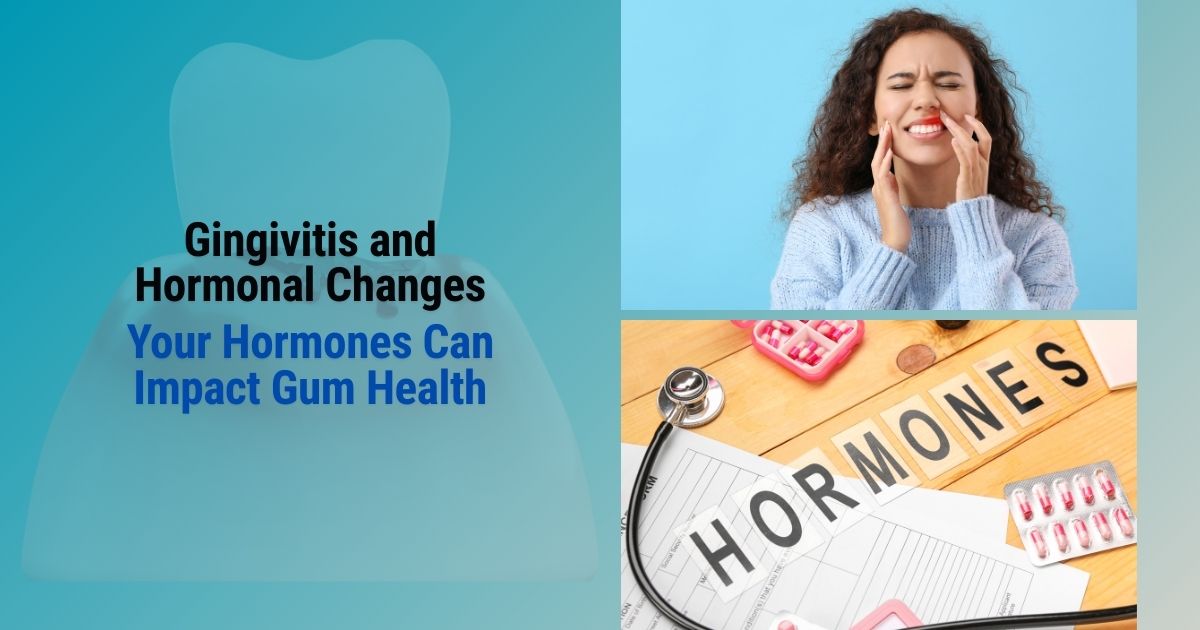
Hormones not only affect your mood and metabolism but they also affect oral health. Hormonal changes can have a major impact on gingivitis. This is the early stage of gum disease and it is true specifically in women because women are more prone to hormonal changes. Hormonal changes during adolescence, pregnancy, and menopause are normal in women. Knowing how gingivitis is linked to such change can help you take better care of your gums.
What is Gingivitis?
Gingivitis is an early form of gum disease. It shows the following symptoms:
- Red or swollen gums
- Bleeding while brushing or flossing
- Bad breath or metallic taste
When gingivitis is left untreated, it can lead to other serious conditions like periodontitis (advanced form of gum disease) which can even lead to tooth loss.
How Hormones Affect Gum Tissue
Fluctuations in hormones can cause the gums to get more blood. This can increase their sensitivity and reactivity to germs and plaque. This can lead to inflammation even after you have always given preference to good oral hygiene and have also practiced it.
When Do Hormonal Changes Trigger Gingivitis
Puberty: During the adolescent stage of development, a spike in sex hormones can make gums more sensitive and increase the chance of inflammation.
Pregnancy: Due to increased progesterone levels, pregnancy-related gingivitis occurs frequently. This is relatively higher in the second trimester.
Menstruation: A few days prior to their menstrual period, some women have bleeding and swelling of the gums.
Menopause: Lower estrogen levels can raise the risk of gingivitis by causing dry mouth and gum weakening.
Managing Gingivitis During Hormonal Changes
- Maintain proper oral hygiene: Brush twice daily and floss at least once a day.
- Schedule regular dental cleanings: Professional cleanings can remove plaque. Do not miss getting one if the dentist recommends.
- Control stress and eat a balanced diet: Diet helps balance hormones and support immunity.
- Use antimicrobial mouthwash: This is helpful during high-risk hormonal phases.
When to Seek Professional Help from the Dentist
Despite maintaining proper oral hygiene if you continue to have gum sensitivity, swelling, or bleeding, it is important to see a dentist. Immediate action can maintain the health of your gums and bones and can hence stop more dental issues from forming.
Hormonal fluctuations are a part of life but it is important to take note how they affect gum health. The knowledge on the connection between hormone levels and gingivitis can make you take preventative measures and safeguard your teeth at every stage of life. Working with your dentist will guarantee that your gums receive the care they require during those hormonal changes.