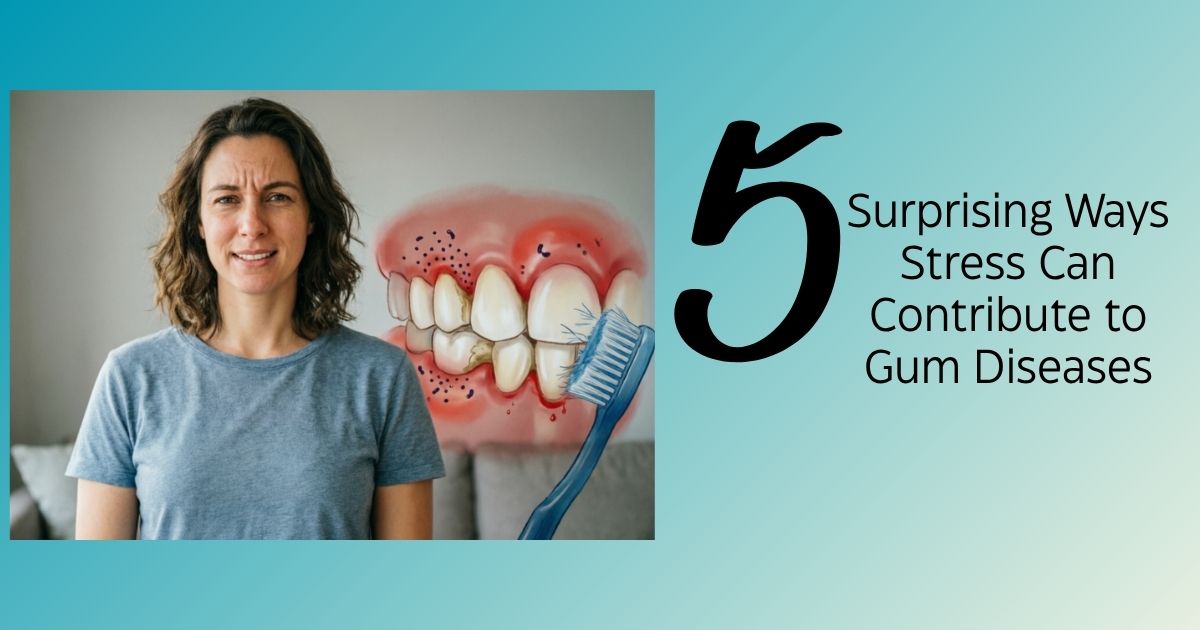
We attribute gingivitis and periodontitis, the two types of gum diseases to many factors. Inadequate brushing, infrequent flossing or no flossing at all or consumption of sugary diets are some of the main attributes that cause gum diseases. But persisting stress is a covert factor that is sometimes overlooked. Stress has a big impact on your mood without any doubt. Factors like hectic work schedule, financial concerns or even restless nights fosters stress to thrive. The big influence stress can have on hormonal and other biological factors is conducive to gum inflammation. It is important to understand the relationship between stress and gums since you cannot treat what you do not understand. Here are five unexpected ways stress silently increases the chances of gum disease.
Stress Raises Cortisol – Cortisol Fuels Inflammation
Your body’s main stress hormone is cortisol. It is protective in brief spurts. Cortisol levels stay consistently high when stress becomes chronic. An elevated level of cortisol inhibits the immune system’s capacity to fight microorganisms found in dental plaque. It also encourages the synthesis of cytokines. Cytokines are inflammatory molecules. Gum bleeding and redness are increased even at normal plaque levels due to this dual effect. Your body overreacts to the identical microorganisms that a relaxed body might easily manage.
Stress Changes Your Oral Microbiome
There are billions of bacteria in your mouth. Most of these bacteria are benign or even helpful along with harmful bacteria. There is a delicate balance between them. This delicate balance is upset by long-term stress. Research says that people under stress have lower quantities of beneficial bacteria and higher levels of pathogenic bacteria. The pathogenic bacteria are mostly linked to aggressive periodontitis.
- Increased Growth of Pathogenic Bacteria: Some dangerous oral bacteria can use stress hormones as nutrients to grow more quickly.
- Decreased Beneficial Bacteria: Your gums become more susceptible to infection as the variety of beneficial bacteria declines.
- Acidic Oral Environment: Stress-related dry mouth lowers saliva’s ability to act as a buffer. This makes the oral environment more acidic. An acidic environment is conducive to the growth of dangerous pathogens.
Stress Leads to Teeth Clenching and Grinding
The mechanical pathway is this. Many people unintentionally clench their jaws or grind their teeth under stress. This teeth grinding practice increases during the night time. The periodontal ligaments are directly impacted as a result of clenching. Periodontal ligaments are microscopic fibers that secure teeth to bone. This impact is brought about as a result of increased force teeth grinding brings about as it passes through the teeth. Over a period of time, these supporting tissues sustain microtrauma as a result of prolonged clenching. The periodontal ligament space is gradually widened by this trauma. This causes teeth to become slightly movable and creates deep pockets. These deep pockets are ideal places where plaque builds up more easily. When bacterial plaque and mechanical damage happen simultaneously, bone loss happens quickly. It happens quicker than when plaque is formed alone.
Stress Makes You Skip Your Oral Hygiene Routine
This behavioral pattern has been found to be prevalent surprisingly. Even a two-minute brushing regimen can seem like a hardship when you are overburdened, worn out or emotionally weary.
- Brushing in a Hurry: Rushing to brush can cause you to overlook the gum line. It has to be emphasized that plaque is present mostly in the gumline.
- Skipped Flossing: Food and plaque can remain in between teeth for days when flossing is neglected.
- Delayed Dental Visits: You put off dental visits because “there is no time”. This lets early gum irritation worsen.
- Poor Dietary Decisions: Stress fuels appetites for comfort foods that are high in sugar and carbohydrates. It is a known fact that junk foods high in carbs and sugar feed plaque bacteria.
Stress Impairs Wound Healing in the Gums
Delayed healing is one of the most overlooked factors of stress. When you are regularly chewing and brushing, your gums are continuously undergoing micro-repair. Even when there is mild inflammation, your gums are undergoing this repair. Stress hinders this process by slowing the migration of repair cells to the site of injury and decreasing the generation of growth factors. A stressed body needs more time to heal after a deep cleaning or scaling. Tenderness that normally goes away in a day or two may continue even after routine professional cleaning. Early gingivitis might develop into periodontitis more quickly due to this poor repair.
Breaking the Cycle: What You Can Do
Stress cannot be completely eliminated but you can control how it affects your gums. Make sleep a priority, engage in mindfulness or deep breathing exercises. Keep up a regular dental hygiene regimen even on your busiest days. Never neglect your regular dental visits where you can get your dental examinations done. The plaque that your overworked immune system can no longer manage on its own is removed by professional cleaning at the dental office.
Seeking prompt Gum Disease Treatment can stop the course of chronic bleeding, edema or gum recession before irreversible bone loss happens. This resilience can make your gums react to treatment well in time.