
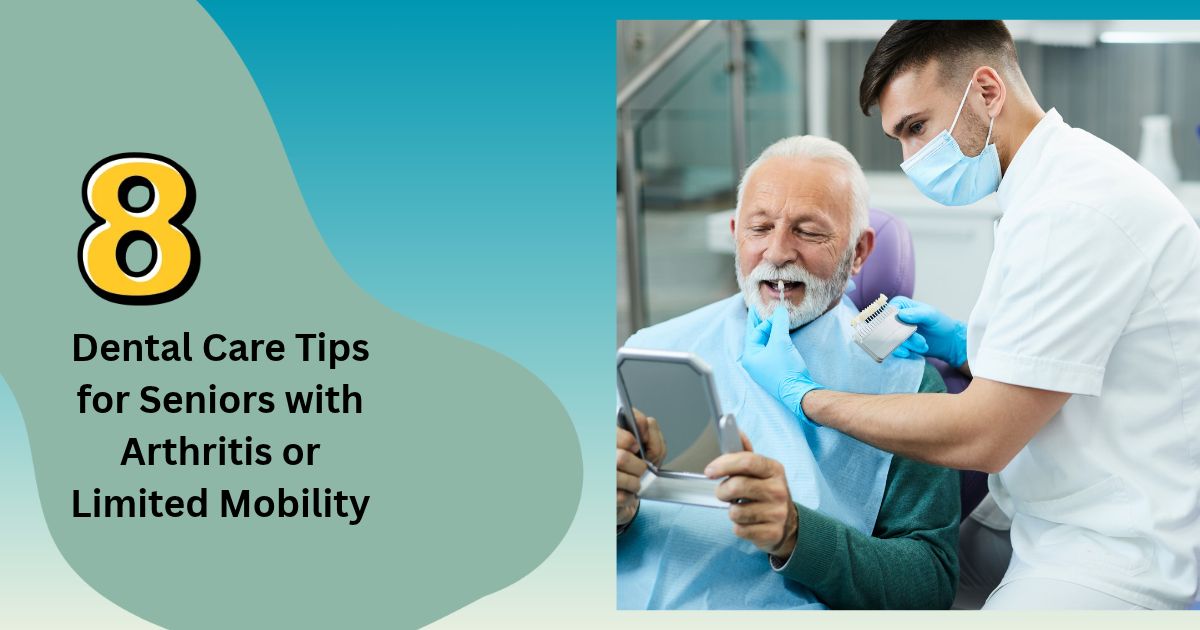
Keeping up with oral hygiene is difficult at any age, but for older adults dealing with arthritis, Parkinson’s disease, recovery from a stroke, or general mobility limitations, even a basic brushing routine can seem overwhelming. Stiff fingers have trouble holding a toothbrush. Pain in the shoulder makes it hard to reach the back teeth. Tremors result in the brush slipping out of place. What often occurs is a missed brushing, flossing being forgotten, and oral health gradually deteriorating, impacting on nutrition, comfort and wellbeing. Thankfully, with the proper tools and techniques, seniors can keep their oral hygiene in excellent shape while using much less effort and experiencing far less discomfort.
1. Switch to an Electric Toothbrush with a Thick Handle
Brushing by hand involves repeated motion of the wrist and fingers, which can be painful for hands affected by arthritis. A powered toothbrush with a broad, ergonomic handle and a pressure sensor does most of the hard work for you. Look for brushes with soft bristles and a built-in timer. They allow you to get a more efficient clean in a shorter time and reduce the strain on your joints.
2. Build Up the Grip on Your Toothbrush
When electric toothbrushes aren’t available, modify a manual one so that its handle is wider and easier to grip by wrapping the handle with a sponge, foam tubing, or a tennis ball. Grips for bicycle handlebars and self-adhesive bandage wraps are also effective options. Such easy modifications lower the amount of finger strength required to grip and guide the brush.
3. Use Floss Holders or Interdental Brushes
For people with arthritis in their hands, traditional flossing is among the most difficult chores. Floss holders, sometimes known as floss picks, let you clean between your teeth with a single hand and very little dexterity. Interdental brushes are tiny, cone-shaped brushes designed to fit between the teeth. They are even simpler and only require a basic back-and-forth motion. A water flosser is yet another great option for anyone who is unable to handle either of those methods.
4. Try a Water Flosser for Gentle, Hands-Free Cleaning
Water flossers rely on a pulsating jet of water to clear away plaque and food debris from the spaces between teeth and along the gumline. A number of models need just a gentle hold and very little movement. For older adults dealing with severe arthritis or tremors, a countertop water flosser featuring a large reservoir and buttons that are easy to press is the best choice.
5. Adjust Your Brushing Position
Taking a seat while you brush can make a big difference. Place your elbow on a table or counter so your arm stays steady. If standing at the sink causes discomfort, sit in a chair and brush, keeping a basin or cup close by for rinsing. Proper lighting and a magnifying mirror can also help you see what you are doing without straining.
6. Choose Easy-to-Use Toothpaste
For people with weak hands, pressing a conventional toothpaste tube can be a struggle. Try using a pump dispenser, or pick a toothpaste that comes with a flip-top cap. Should your teeth be sensitive, opt for a desensitizing toothpaste. People with dry mouth—frequently seen in seniors who take several medications—should select a fluoride toothpaste made for dry mouth.
7. Ask for Caregiver Assistance Without Embarrassment
If a family member, caregiver, or nurse assists you with everyday tasks, ask them to help you brush or floss. Accepting help is nothing to be ashamed of. A caregiver also may notice warning signs, such as sores, bleeding gums, loose teeth, or white spots, that require a professional cleaning.
8. Keep Professional Cleanings on Schedule
Professional cleanings are also important, even for caregivers who do an exemplary job of home care. For older people with limited ability to move, a caregiver should seek out a dentist who can accommodate wheel chairs, have comfortable seating, and shorter appointments.
What to Bring to Your Appointment
- A full list of all medications like blood thinners
- Contact details for your dentist in case you visit more than one provider
- A caregiver or relative if you need help with physical tasks
- Records of any pain, sensitivity or alterations in your mouth
Arthritis and decreased range of motion don’t have to translate to poorer oral health. With adaptive tools, modified techniques, and a little foresight, older people can maintain healthy, clean mouths that protect their overall health. If you or your loved one needs assistance, you can count on the experts at Geriatric Dental Care in Chennai to offer an empathetic hand to help them identify the right resources for self-sufficient oral hygiene.


