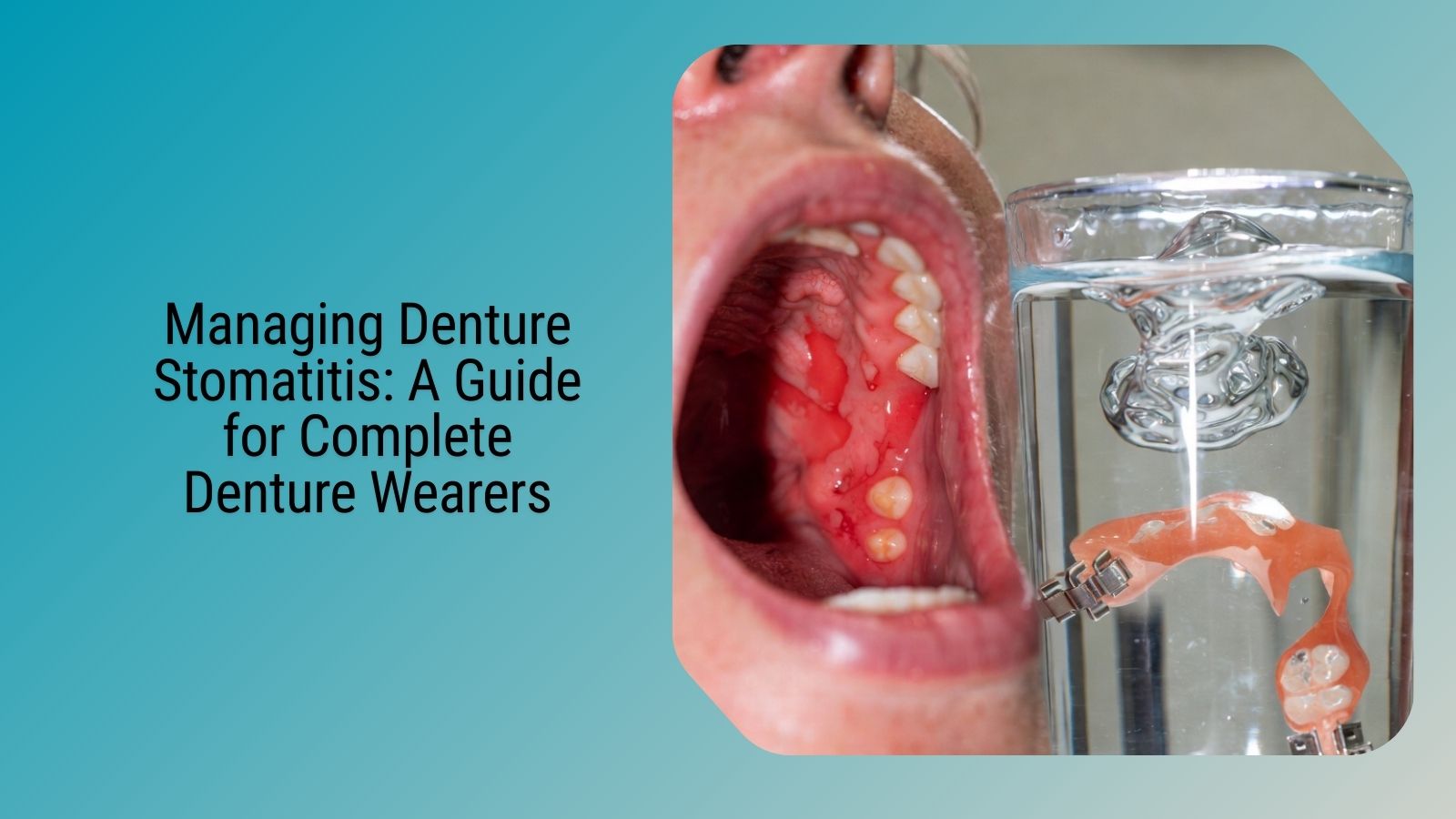
Denture stomatitis, also known as oral thrush or denture sore mouth, is a common condition affecting many complete denture wearers. Characterized by inflammation and redness of the oral mucosa (specifically the palate) that comes into contact with the denture, it can cause discomfort and concern. While it is rarely painful, if left untreated, it can lead to more serious oral health issues. Understanding why it happens and how to manage it is crucial for maintaining both oral health and quality of life.
What Causes Denture Stomatitis?
The primary culprit behind denture stomatitis is usually a fungal infection, most commonly Candida albicans. However, several contributing factors create the perfect environment for this infection to thrive.
- Poor Denture Hygiene: Inadequate cleaning allows a biofilm of plaque and food debris to accumulate on the denture surface, acting as a reservoir for fungi and bacteria.
- Continuous Denture Wear: Wearing dentures 24 hours a day deprives the palatal tissue of stimulation and saliva flow, creating a warm, moist environment where fungi flourish.
- Ill-Fitting Dentures: Dentures that have become loose over time can cause microscopic trauma and irritation, making the tissue more susceptible to infection.
- Dry Mouth (Xerostomia): Saliva has natural antimicrobial properties. A reduction in saliva flow can reduce the mouth’s natural defense against fungal overgrowth.
- Systemic Health Factors: Conditions like diabetes, immunosuppression, or nutritional deficiencies can increase susceptibility.
Recognizing the Symptoms
In its mildest form, denture stomatitis may present simply as a cluster of pinpoint red spots or generalized redness on the roof of the mouth. In more severe cases, the tissue may appear swollen and feel sore. Unlike other oral infections, this condition often causes surprisingly little pain, which is why many patients delay seeking treatment.
Effective Prevention Strategies
Preventing denture stomatitis is significantly easier than treating it. Adhering to a strict oral hygiene routine is the most effective line of defense.
Daily Denture Care Routine
- Clean and Soak: Brush your dentures daily with a soft-bristled brush and a non-abrasive denture cleaner. Avoid regular toothpaste, as it can be too harsh.
- Remove at Night: It is vital to remove your dentures for at least 6–8 hours daily (usually while sleeping) to give your oral tissues a rest.
- Proper Storage: When removed, store dentures in water or a mild denture-soaking solution to prevent them from drying out and warping.
- Clean Your Mouth: Even if you have no natural teeth, gently brush your gums, tongue, and palate with a soft brush each morning and evening to stimulate tissues and remove plaque.
Treatment Options Available
If stomatitis develops, treatment focuses on eliminating the infection and correcting the contributing factors.
Professional Dental Intervention
First, consult your dentist. They will examine the fit of your current prosthesis. Treatment may involve prescribing topical antifungal gels or oral rinses. If the dentures are ill-fitting, the dentist will need to adjust the base through a process called “relining” to ensure a proper fit, eliminating the chronic irritation that invites infection.
When to Consider a Permanent Solution
For patients who suffer from chronic denture stomatitis due to persistent ill-fitting dentures or the inability to maintain proper hygiene with a large prosthesis, removable dentures may not be the ideal long-term solution. In such cases, transitioning to a more stable option can resolve the recurring issue entirely.
The Role of Dental Implants in Chennai
Patients can eliminate the need for a full-coverage palatal plate by opting for advanced restorative solutions like Dental Implants. Implant-supported overdentures or fixed implant bridges do not cover the palate, leaving it open and exposed to natural saliva flow and stimulation. This eliminates the anaerobic environment where *Candida* thrives, providing a definitive solution to recurrent denture stomatitis and vastly improving comfort and quality of life.
Denture stomatitis is a manageable condition, but it requires diligence. By maintaining impeccable denture hygiene, ensuring regular dental check-ups for fit adjustments, and giving your mouth a nightly break, you can keep your oral tissues healthy. If you are struggling with persistent issues, consulting a dental professional about the benefits of implant-supported prosthetics could be the step towards a healthier, more comfortable future.