Dental implants are a dependable and long-lasting way to replace lost teeth. Their effectiveness however greatly depends on timely intervention and appropriate maintenance. Peri-implantitis is a progressive inflammatory condition that carries the danger of knocking off the dental implant if it is not treated within reasonable time. It is one of the most dangerous problems affecting dental implants. Long-term implant health depends on understanding the stages, causes and treatments involved in Peri-implantitis.
What Is Peri-Implantitis?
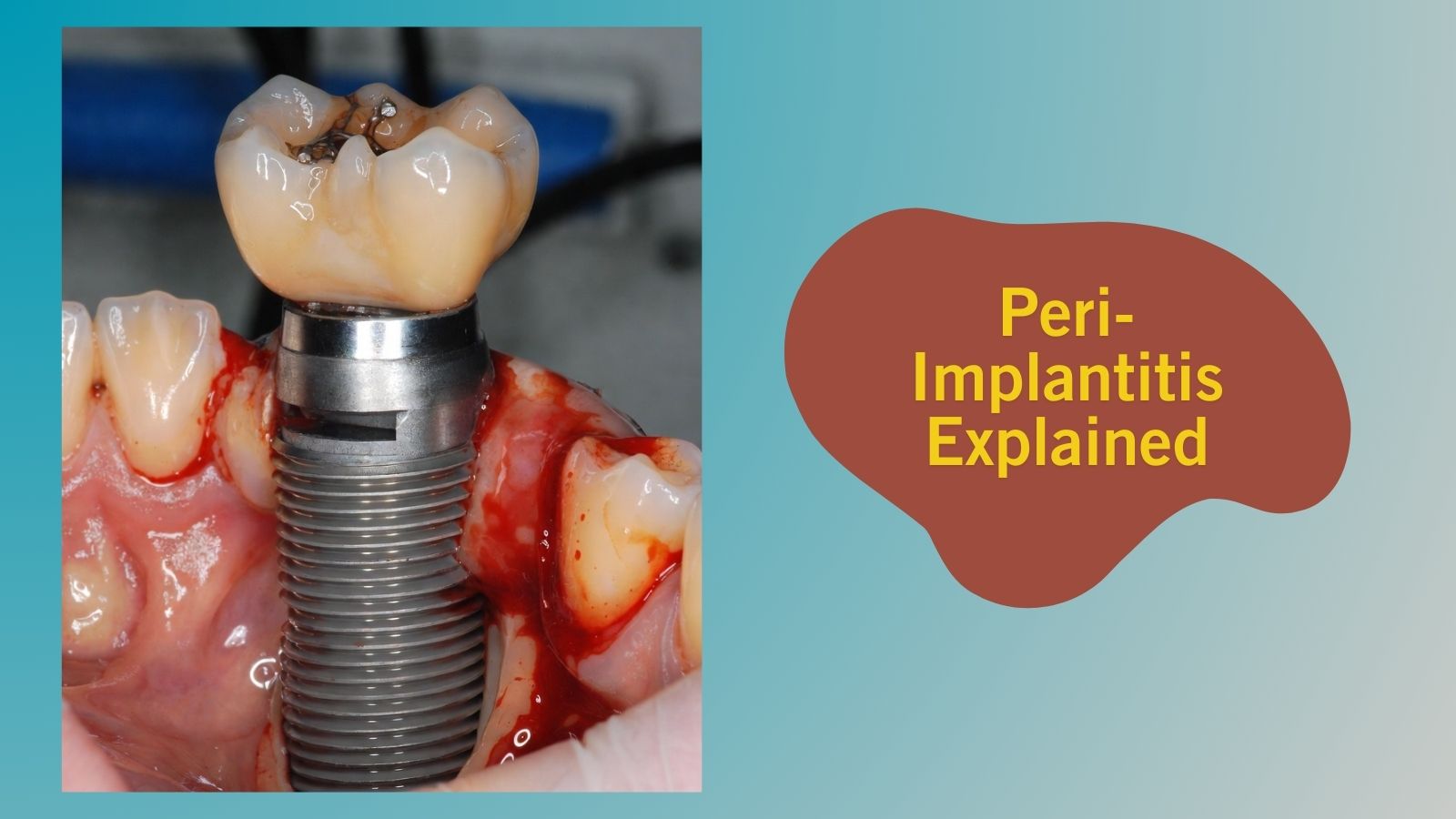
Peri-implantitis is an inflammatory condition that affects the tissues around the dental implant. If it is not treated, it can develop into serious bone loss surrounding the implant area. It generally starts as a minor and treatable illness called peri-implant mucositis.
Stage 1: Peri-Implant Mucositis
Only the soft tissues surrounding the implant are impacted in this initial stage. Patients experience bleeding, edema or redness when brushing their teeth in this stage. Early treatment is very much beneficial since the bone supporting the implant is still intact at this point.
Common Signs and Symptoms are:
- Bleeding gums around the implant
- Redness and mild swelling
- Discomfort during brushing
Mucositis can be completely reversed by undergoing professional deep cleaning and improved oral hygiene.
Stage 2: Progression to Peri-Implantitis
Ignoring inflammation allows bacteria to multiply and damage the bone that holds the implant in place. This main problem in this stage is the increased risk of implant failure and irreversible bone loss.
Causes of Peri-Implantitis
Peri-implantitis can happen due to many reasons. Smoking, uncontrolled diabetes, poor dental hygiene and incorrect implant implantation are some of the reasons. Even in healthy people, any residual cement from the dental crowns and any irregular follow-ups can raise the risk of peri-implantitis.
How Peri-Implantitis Is Diagnosed
Dentists use X-rays to examine bone loss and measure pocket depths around the implants. They also check the gum’s health. Early diagnosis of the problem helps in preserving the implant. It can also go a long way in stopping any additional problems that may prop up.
Treatment Options Based on Disease Severity
The treatment type and duration depends on how severe the peri-implantitis infections are. In later stages it involves more care and procedures. On the other hand, in early stages the treatment concentrates around non-surgical techniques.
Treatment Approaches May Include:
- Professional deep cleaning and plaque removal
- Antibacterial or antimicrobial treatment
- Laser-assisted disinfection
- Surgical procedures to regenerate lost bone
The goal of the treatment methodology is to eliminate infection, stabilize the implant and restore surrounding tissues wherever possible.
Can Peri-Implantitis Be Prevented?
Yes, per-implantitis can be prevented. Regular dental examinations, competent care and consistent oral hygiene are some of the ways to prevent them from happening in the first place. After receiving their dental implants in Chennai, patients should stick to the aftercare guidelines provided by the dentist. They should also make it a point not to miss any follow-up appointments.
Peri-implantitis is a degenerative condition that begins silently and can cause significant bone loss when left untreated. An implant may be saved or lost depending on early detection of mucositis followed by prompt treatment. Despite this minor issue which can be resolved, dental implants continue to be the best and healthy choice for many years with the right maintenance and expert guidance.